
 by Matteo Modica
3 MIN. READ
17.10.2018
by Matteo Modica
3 MIN. READ
by Matteo Modica
3 MIN. READ
17.10.2018
by Matteo Modica
3 MIN. READ
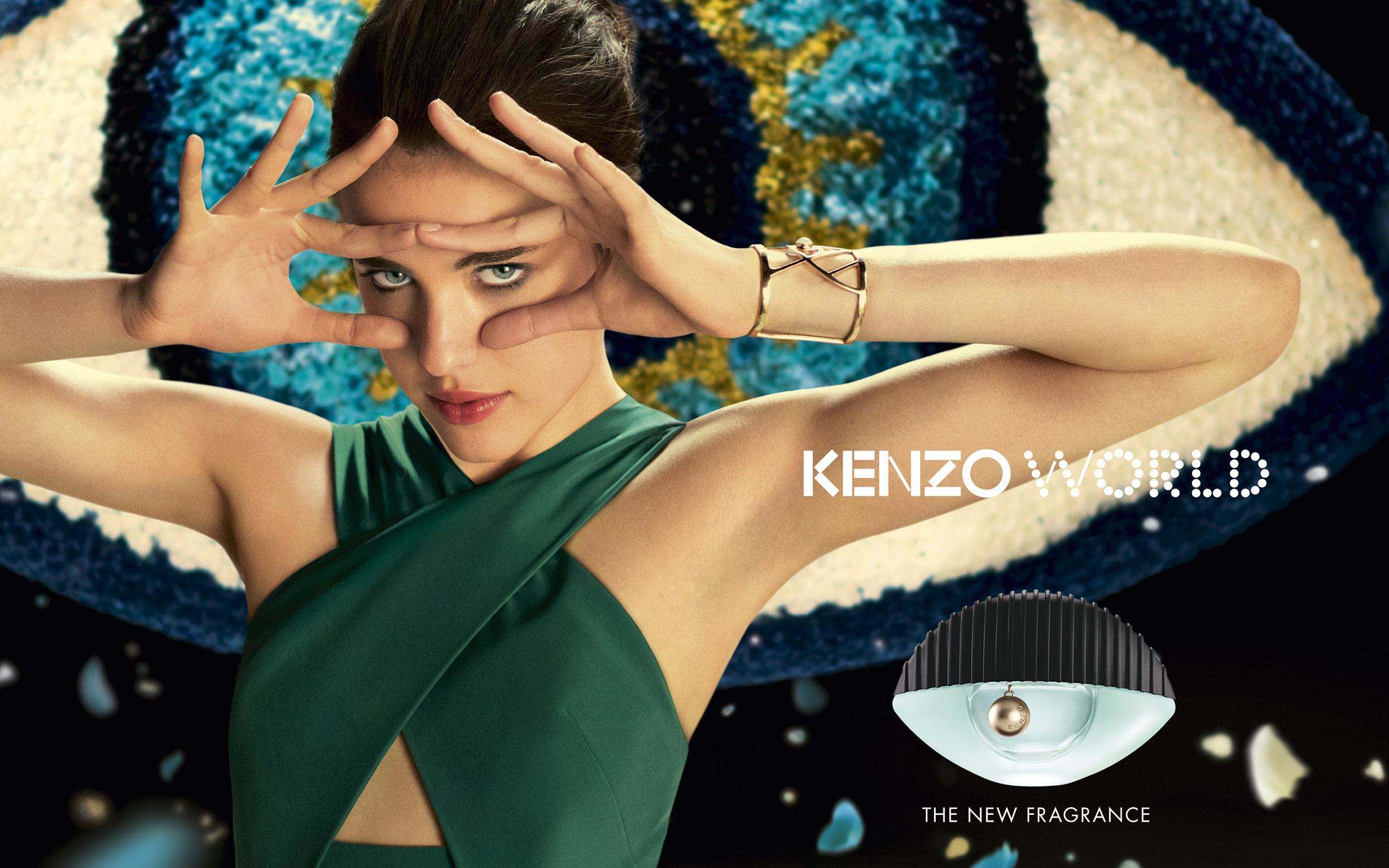
Something is happening in the fashion world and especially in fashion branding. An apparently superficial phenomenon, but one that tells us a lot about this market: from an image, fashion is becoming a story.
The protagonists of this transformation in fashion branding were fashion films in the first place: short films, often commissioned from leading directors, in which clothing is omnipresent but not the protagonists, at the most, they are compressed. The story, the actors (often stellar), and the set design (a blast) lead the way.
As objectives, the fashion film does not stray too far from fashion photography: to show the clothes and tie them to a specific and unforgettable mood. The advantages of fashion branding, however, are numerous:
The game of cross-referencing with the world of cinema widens the potential audience, also by virtue of the director’s fame;
The video allows to tell a richer, more articulated, and therefore more memorable reality;
Finally, the video is a much more suitable tool for digital diffusion, therefore essential to bring the messages of fashion to the millennial audience.
Let’s see some examples.
This growing familiarity of fashion with the story matured over the years, has recently begun to expand its domain. Before, in fact, it was limited to the fashion films we talked about: in many cases, products are distinct from product communication.
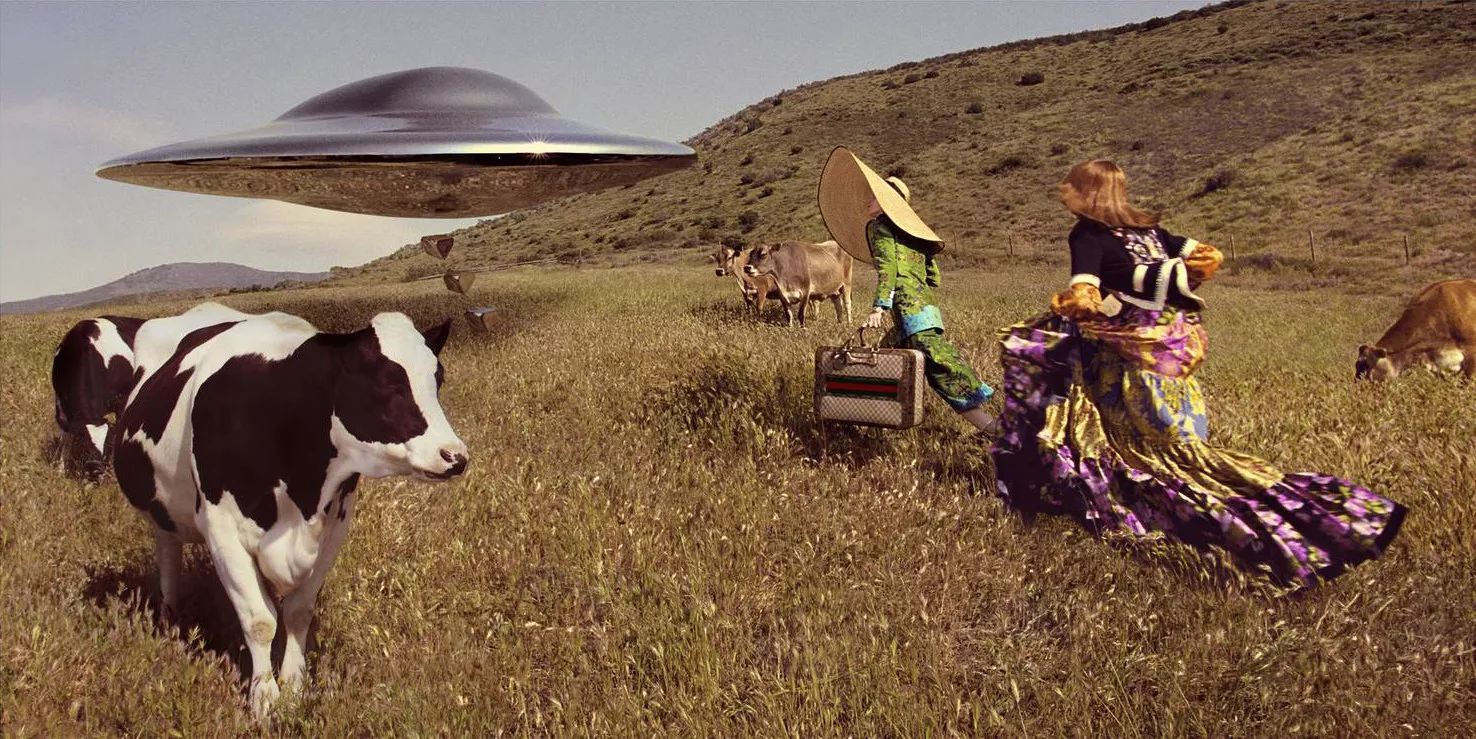
Today, however, this language comes ever closer to product communication. Think of the Gucci AW 2017 collection, entirely set in a retro-futuristic universe where models become unlikely aliens. The world of reference here has widened to include collection shots, other than fashion movies.
It’s no coincidence that Gucci is enjoying considerable favor among millennials, accustomed to consuming stories, no matter how absurd. Any numbers? According to the WSJ, 55% of Gucci’s sales are attributable to millennials. In addition, in the first quarter of 2018 (so immediately after the “alien” campaign) sales grew by 46%. This is not by chance, because it seems that creative director Alessandro Michele hired a real “millennial commission” to evaluate the creativity of the house. A very dedicated approach to fashion branding.
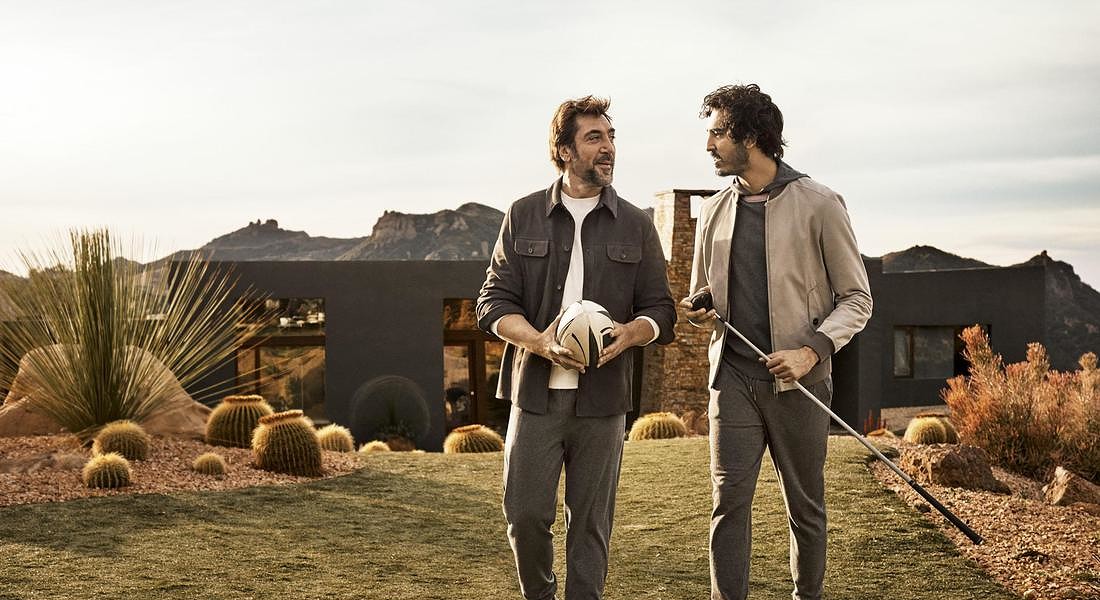
Or, let’s take the case of Zegna, who presented his latest collection with a serial story featuring two super-actors of the caliber of Javier Bardem and Dev Patel, as two friends who meet on the streets of Madrid. The videos are part of the series “Defining Moments” that had already seen Robert De Niro as a protagonist last year, but the interesting thing is that on Facebook and Instagram these videos are in fact an animated catalog because they are used in shoppable format: that is, with links to the product pages of all the garments that appear on the screen.
What does that tell us? That fashion branding today can no longer focus solely on aesthetics, an element that for the Instagram generation is overabundant and cheap. To add value, they must create stories and invent worlds that drag consumers in. In short, they must involve external elements, perhaps “aliens” to the fashion world, in their creativity. Because only by contaminating themselves will they remain relevant.
READ MORE ON
Rejected Logo Designs We Still Love
Not all logo designs get accepted. Actually, most of them get rejected, and that’s ok. Here’s why we don’t throw ours away.
Do you have a brand architecture? Here’s why you should
If you find the term “brand architecture” intimidating, you might want to do this. Because the right one makes all the difference for your business.

Brand equity: why branding is an investment (and how to tell your CFO)
A brand is not a number, but it can bring numbers: when your brand equity is healthy, results follow.

How to Brief Your Branding Agency
Branding can take you anywhere, but do you know where you are headed? Here are some tips on how to brief your branding agency right.
our newsletter
SUMO is one of the few newsletters I don’t archive when my inbox gets full. Each edition feels crafted with care - the links are genuinely interesting, the curation is thoughtful, and the newsletter design itself is a delight to consume.

Content curation at its finest. Doesn't overdo it on commentary, and has probably the highest signal-to-noise ratio among the design newsletters out there. Never a dull entry! Every issue feels handpicked rather than churned out.

Sublimio Monthly is always a breath of fresh air. I especially like how each issue explores one timely theme, turning Andrea and Matteo’s perspectives into a clear takeaway I can immediately apply to my work—often before the topic becomes mainstream.

You know that feeling as a kid, waiting for your favorite magazine to hit the stands? That's what SUMO is for me.

SUMO is much more than a newsletter: it's a guide. In a world of information overload, having someone who does real curation work is invaluable. What I find there is always worth my time. I read it eagerly every time, and I often share it with friends and colleagues because there's always something useful and genuinely interesting.

SUMO has a level of intentionality that sets it apart from most newsletters I read. Each edition is built around a theme that feels considered without being overworked, with Matteo and Andrea’s dual perspectives adding depth and a set of curated links that feel carefully chosen. It’s a newsletter worth reading properly.

SUMO has quickly become one of my favourite newsletters. Every issue leaves me with a fresh perspective on how I see my brand and the world around it.




© 2009—2026 Sublimio


