
 by Andrea Ciulu
3 MIN. READ
27.07.2022
by Andrea Ciulu
3 MIN. READ
by Andrea Ciulu
3 MIN. READ
27.07.2022
by Andrea Ciulu
3 MIN. READ

Brand awareness is the objective of many campaigns, but what is brand awareness, really? The answer is actually more nuanced than most people realize.
Brand awareness is a term loved by marketers, but sometimes misused. What does it really mean that customers know your brand? This might sound like a simple question at first, but take a deeper look and you will realize it’s not so easy.
What is brand awareness and how do you measure it?
Simply defined, brand awareness is the degree to which customers are able to recall or recognize your brand.
You might notice we are using two different verbs here: recall or recognize. Actually, they make a lot of difference. When we talk about brand recall we are referring to the customer being able to name your brand when prompted by a category.
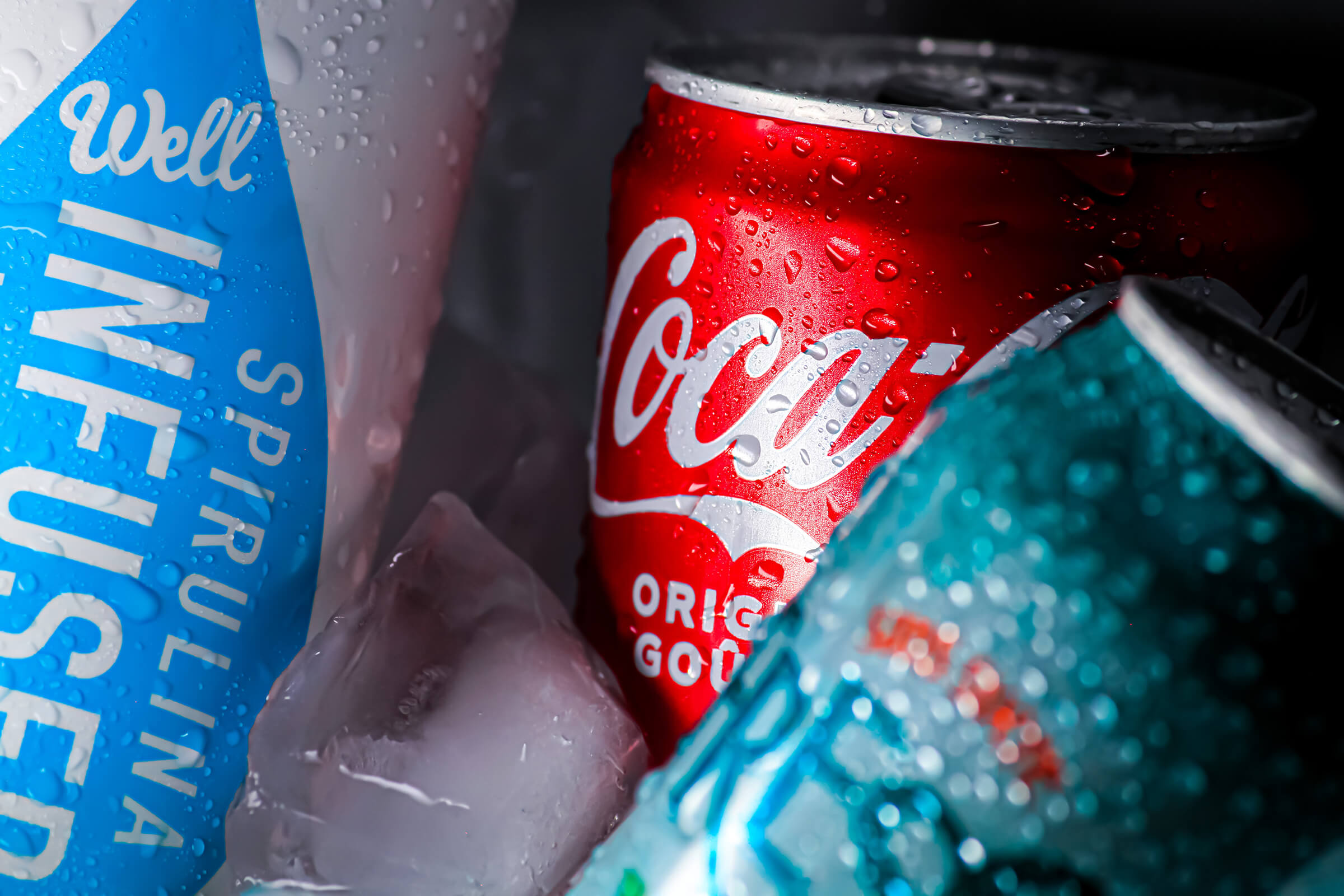
For example, if I asked you to recall a soda brand, you might have 3 or 4 names popping up in your mind. Brand recall is considered the best kind of brand awareness because it means that the customer automatically associates your brand with the category. The Holy Grail of brand recall is being top of mind, i.e. the first brand that comes to mind when thinking about that category.
In case the customer didn’t name your brand, you might try and give her a little help. You are now entering the realm of brand recognition. The help could be the name of the brand itself, but even a distinctive brand asset such as the packaging, the colors, or the typography. Brand recognition is a somewhat less powerful form of brand awareness, but in a crowded market, it might still be a result to be happy about.
Finally, a customer might be entirely unaware of your brand. Even when put in front of the brand name, she will just shrug. Statistically, that will just happen.
These are conventionally the four degrees of brand awareness as represented in Aaker’s Pyramid: unaware, brand recognition, brand recall, and top-of-mind.
So, you can measure different types of brand awareness and you will get different percentages: maybe you are a top-of-mind brand for 3% of potential customers, have brand recall on 10% of them, be recognized by 40% of them, and be totally unknown for the remaining 60%.
Why is brand awareness so important for your business?
Brand awareness might be considered a foundational element to building a business’s success. After all, if customers don’t know you, they won’t buy you. Your brand won’t come to mind when they need something quickly.
Being a top-of-mind brand is a formidable signal of brand health and will bring you customers – or website traffic – with a very little spending.
Of course, brand awareness is not everything. First of all, the fact that a person knows a brand tells us nothing about what association she has established in her mind around that brand. Maybe you are well known and despised, or just considered unexciting. In other terms, awareness does not equal positioning.
In addition, awareness is not mental availability. This metric, brought to fame by the Ehrenberg-Bass Institute, refers to the likeliness that a customer will think of your brand when she’s about to buy, rather than when she’s answering a survey.
This means you should not just link your brand to a category, but rather to a purchase situation. You don’t just want to be the first soda that comes to mind: you want to be the soda that comes to mind when you are ordering pizza.
How do you increase brand awareness?
Brand awareness grows slowly. This means that awareness campaigns shouldn’t be designed as a tactical solution. Two months of an awareness-focused campaign will bring you nothing but short-term awareness, which is a pretty irrelevant metric for business purposes.
When building brand awareness you will see the effect after quite a long time. In this phase, you want to optimize your planning for reach and frequency. A brand awareness campaign will target a lot of people and it will reach them often. In the meanwhile, you want to create the right associations in terms of values, and usage situations and you want some of your distinctive assets to take root.
You will need to resist the urge to check results day after day, as these kinds of results will not be tracked by online platforms, but you might expect to see an increase in direct traffic to your website if your brand is on everyone’s mind.
READ MORE ON

Before you hire a branding agency, ask to see the drafts
A while ago, at Sublimio we started sharing with potential clients not just our portfolio, but our past presentation. Here’s why.
Can AI do your brand strategy?
AI can craft a pretty believable brand strategy, but will it hold? Here are some things to know before you forward it to the team.
Rejected Logo Designs We Still Love
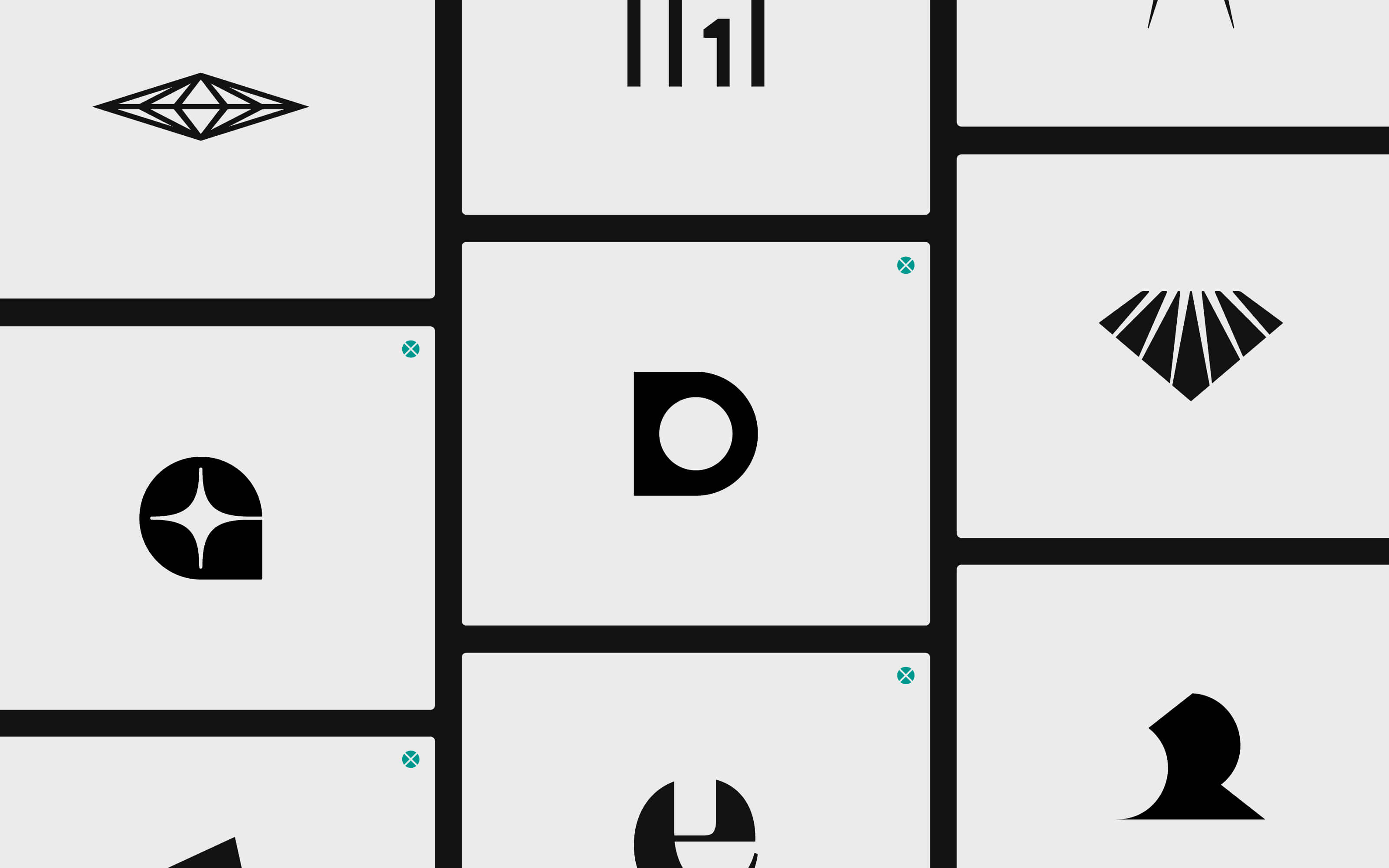
Not all logo designs get accepted. Actually, most of them get rejected, and that’s ok. Here’s why we don’t throw ours away.
Do you have a brand architecture? Here’s why you should
If you find the term “brand architecture” intimidating, you might want to do this. Because the right one makes all the difference for your business.
our newsletter
SUMO is one of the few newsletters I don’t archive when my inbox gets full. Each edition feels crafted with care - the links are genuinely interesting, the curation is thoughtful, and the newsletter design itself is a delight to consume.

You know that feeling as a kid, waiting for your favorite magazine to hit the stands? That's what SUMO is for me.

SUMO has a level of intentionality that sets it apart from most newsletters I read. Each edition is built around a theme that feels considered without being overworked, with Matteo and Andrea’s dual perspectives adding depth and a set of curated links that feel carefully chosen. It’s a newsletter worth reading properly.

Content curation at its finest. Doesn't overdo it on commentary, and has probably the highest signal-to-noise ratio among the design newsletters out there. Never a dull entry! Every issue feels handpicked rather than churned out.

SUMO is much more than a newsletter: it's a guide. In a world of information overload, having someone who does real curation work is invaluable. What I find there is always worth my time. I read it eagerly every time, and I often share it with friends and colleagues because there's always something useful and genuinely interesting.

SUMO has quickly become one of my favourite newsletters. Every issue leaves me with a fresh perspective on how I see my brand and the world around it.

Sublimio Monthly is always a breath of fresh air. I especially like how each issue explores one timely theme, turning Andrea and Matteo’s perspectives into a clear takeaway I can immediately apply to my work—often before the topic becomes mainstream.




© 2009—2026 Sublimio


