
 by Matteo Modica
3 MIN. READ
27.03.2022
by Matteo Modica
3 MIN. READ
by Matteo Modica
3 MIN. READ
27.03.2022
by Matteo Modica
3 MIN. READ

What are luxury branding dos and don’ts? Without being too strict, there are some areas of attention that you should consider when approaching a luxury project.
Luxury brands are not created overnight, or are they? If you are either managing or launching a luxury brand, there are some branding dos and don’ts that you should respect, something that makes them stand apart from regular, everyday brands.
#1: Do Create Mystery
Luxury branding is all about scarcity, but that doesn’t only mean physical scarcity. Keeping some information from your audience and releasing it at your own pace is usually a good idea. Creating some form of mystery around the brand can make it interesting and set up a long term narrative.
Mystery, after all, is one of the keys to seduction and thus essential to luxury brands.
#2: Do Look at the Cultural Vanguard
Luxury brands today should be at the forefront of cultural innovation. This wasn’t always the case, as many luxury brands have long been sitting comfortably in their own heritage. But luxury branding today is different.
Think about brands like Gucci or Balenciaga, constantly exploring new trends and opportunities. Taking inspiration from the cultural vanguard is a constant effort and it should become part of the brand inspiration process. This can either impact how products are designed and created or how these are communicated.
#3: Do Have a Story to Tell
Luxury branding is stronger when the brand has a story to tell: anyone who has been paying attention to luxury lately will know how great brands can weave fascinating narratives.
It can either be a true narrative about the origins of the brand (like the story of the founder, the designer or the craftsmen) or complete fiction. In this case, it should be openly presented as such, so that your audience can engage with it.
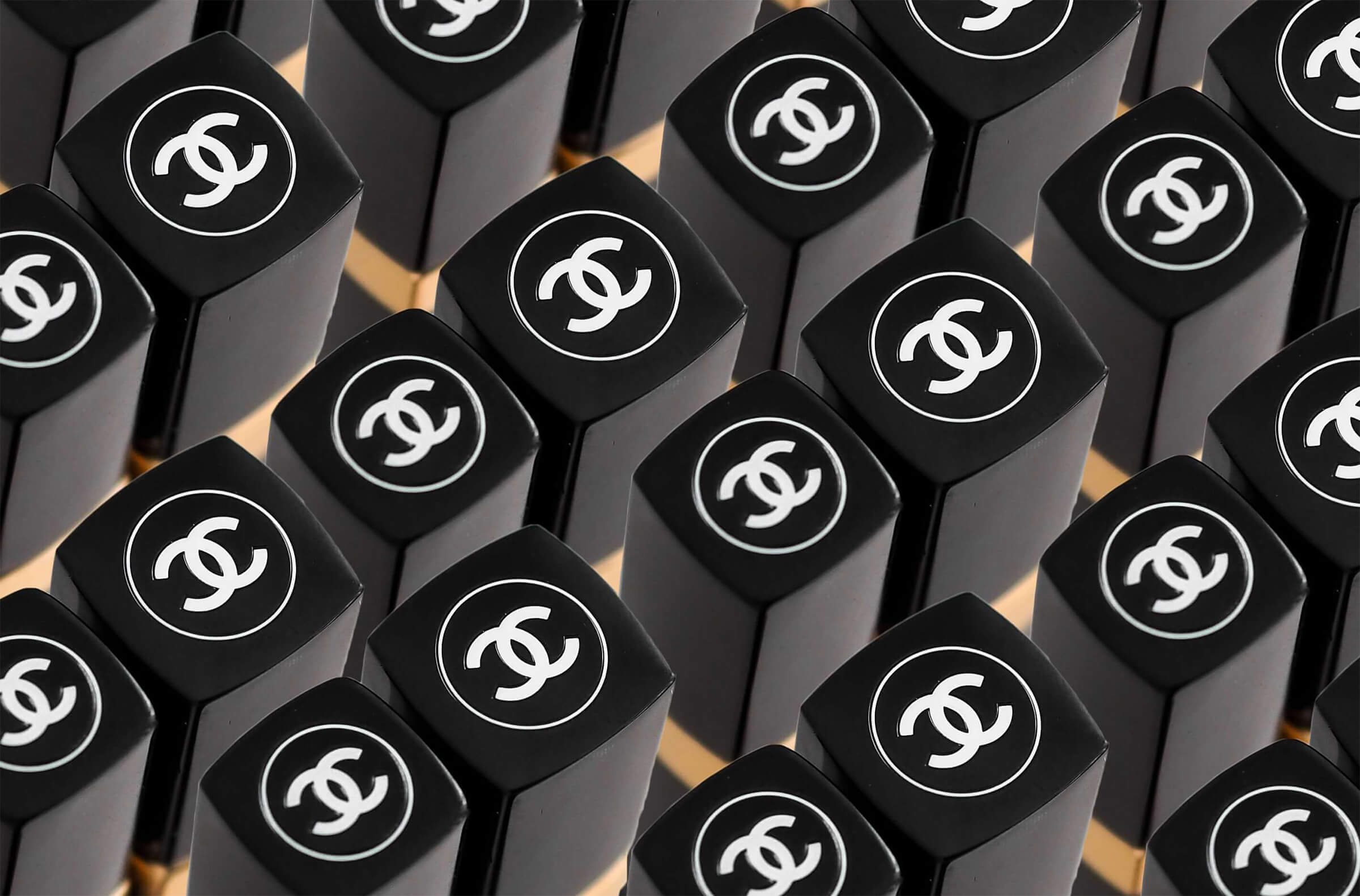
#4: Don’t State the Obvious
It can sound like obvious (yes) advice, but sometimes we end up overexplaining what we do and who we are. This is especially damaging in luxury branding, where information minimalism is key: we should only convey what is essential and potentially new and surprising, leaving the rest to the understanding of our audience.
It’s better not to be fully understood than to be boring.
#5: Don’t Conform
In branding, it’s sometimes useful to look at the leader for inspiration. In luxury branding, though, coming second is of little use. Rather than conforming to some supposedly established practices, you should try and create your own, totally unexpected approach.
Luxury audiences are on the constant lookout for new things and you want to be that new thing rather than the echo of something they already know.
#6: Don’t Fake Heritage
As some of the most renowned luxury brands in the world have a rich heritage, newcomers can sometimes be tempted to just fake it.
This is a mass market practice: think of Massimo Dutti, a spanish brand (from the Inditex Group) faking an Italian identity. It appeals to a mass audience, but it has no credibility on the luxury market.
What brands like this create is an experience of “simulated luxury” with non-luxury products. You want to be careful choosing this path, as it might disqualify even a luxury product.
Create something truly unseen
Undertaking a luxury branding project can be scary, but it shouldn’t: it actually gives you a greater freedom to create and innovate, as long as you remember to be honest, brave, transparent and most importantly not boring.
READ MORE ON
The comma nobody sees: why attention to detail in branding still matters
Nobody notices when I change the color of a comma, and that’s exactly why I keep doing it. A case for perfectionism and attention to detail in branding.

Before you hire a branding agency, ask to see the drafts
A while ago, at Sublimio we started sharing with potential clients not just our portfolio, but our past presentation. Here’s why.

Can AI do your brand strategy?
AI can craft a pretty believable brand strategy, but will it hold? Here are some things to know before you forward it to the team.
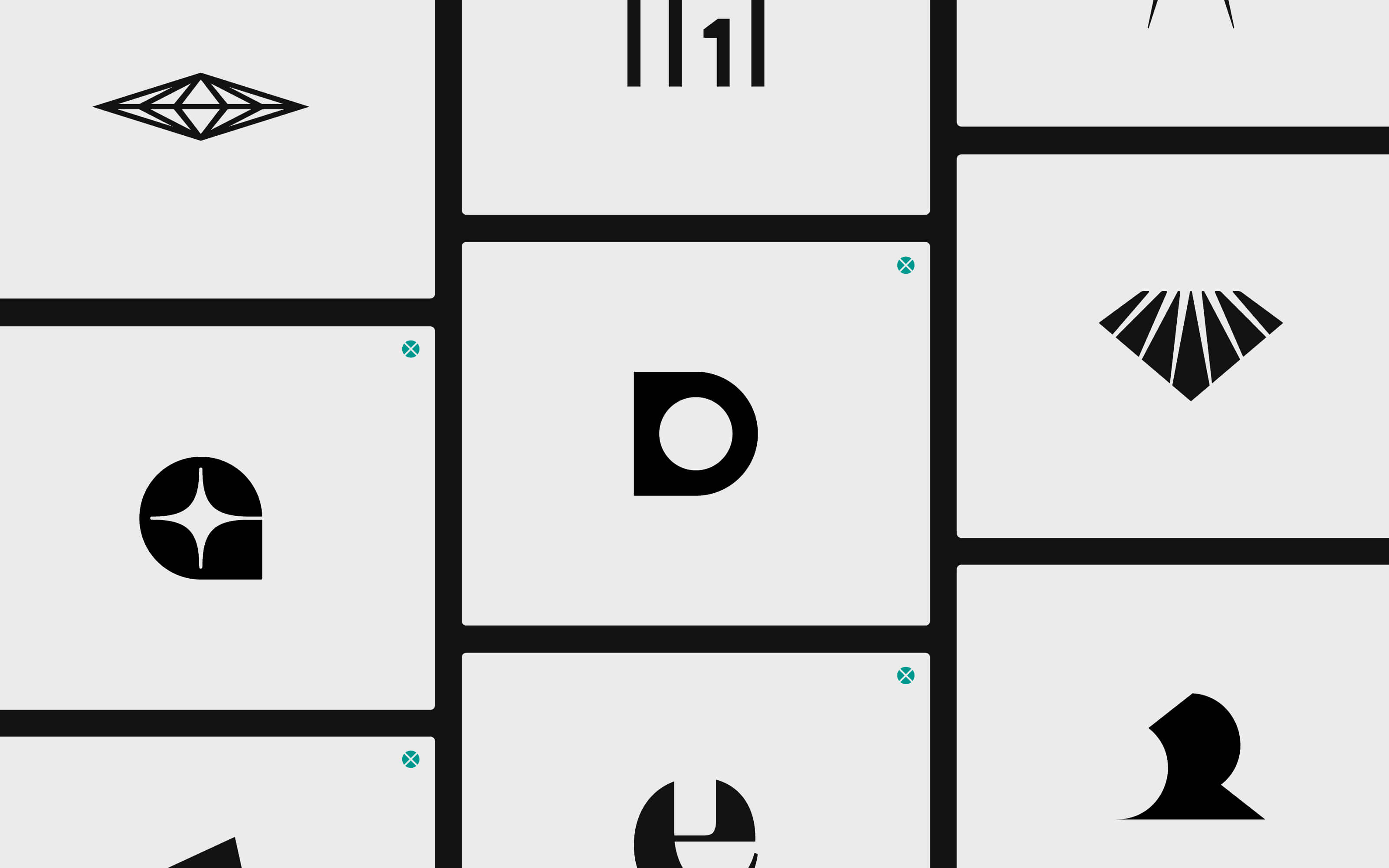
Rejected Logo Designs We Still Love
Not all logo designs get accepted. Actually, most of them get rejected, and that’s ok. Here’s why we don’t throw ours away.
our newsletter
SUMO is one of the few newsletters I don’t archive when my inbox gets full. Each edition feels crafted with care - the links are genuinely interesting, the curation is thoughtful, and the newsletter design itself is a delight to consume.

Content curation at its finest. Doesn't overdo it on commentary, and has probably the highest signal-to-noise ratio among the design newsletters out there. Never a dull entry! Every issue feels handpicked rather than churned out.

Sublimio Monthly is always a breath of fresh air. I especially like how each issue explores one timely theme, turning Andrea and Matteo’s perspectives into a clear takeaway I can immediately apply to my work—often before the topic becomes mainstream.

You know that feeling as a kid, waiting for your favorite magazine to hit the stands? That's what SUMO is for me.

SUMO is much more than a newsletter: it's a guide. In a world of information overload, having someone who does real curation work is invaluable. What I find there is always worth my time. I read it eagerly every time, and I often share it with friends and colleagues because there's always something useful and genuinely interesting.

SUMO has a level of intentionality that sets it apart from most newsletters I read. Each edition is built around a theme that feels considered without being overworked, with Matteo and Andrea’s dual perspectives adding depth and a set of curated links that feel carefully chosen. It’s a newsletter worth reading properly.

SUMO has quickly become one of my favourite newsletters. Every issue leaves me with a fresh perspective on how I see my brand and the world around it.




© 2009—2026 Sublimio


