
 by Andrea Ciulu
4 MIN. READ
14.04.2026
by Andrea Ciulu
4 MIN. READ
by Andrea Ciulu
4 MIN. READ
14.04.2026
by Andrea Ciulu
4 MIN. READ

Having a clear, powerful brief for your branding agency is an understated advantage: it will make things easier for everyone and make sure you stay on track.
As more people start using AI, it becomes more widely understood how initial prompts dramatically shape the outcome. Well, to be honest that has been true for a while – long before AI arrived – and briefs are probably the clearest demonstration of this.
A bad brief can drive a project off-track very quickly. Putting it back on track will then take time, money and a significant amount of effort.
Briefing a branding agency is possibly even more sensitive. Since everything has yet to happen and few to no guidelines are defined, a messy or mis–directed brief can easily harm the process.
At Sublimio we like to be frank with our clients for the sake of a better collaboration, so we thought we’d share some tips on how to create a better brief for your branding agency.
1. Think about objectives, not details
Enthusiasm is a good thing, but it can make you jump to the end of the process. Sometimes you will see this happen in branding briefs that go straight to executional details like elements of visual identity or tone of voice. That’s a missed opportunity.
The branding process should open a wide horizon, you don’t want to close it prematurely. Even if you feel that something – a color, a word – is just right for you, stay open to the possibility you might find something better, more surprising or more relevant.
A very strict brief is especially problematic if you are working with a client-pleasing agency, who might be happy to just go with it. Locking the endpoints will hinder the strategic phase and bend it to justify something that was already decided.
What’s better? Stating your objectives clearly, and even articulate their evolution through time. If the branding agency gets them right, you will be working as collaborators rather than client / supplier.

2. Don’t be a fanboy
We all have our favorite brands that we look up to. Ask most companies what they want to be and they’ll say “Apple” or “Tesla”.
We get it. After all, we dream of being our favorite actor, pop star or sports celebrity. But this kind of fascination can lead your branding process astray, especially if your reference is a bigger-than-life brand.
When people say they want to be like Apple, what they really mean is they want to be successful and loved, which is a clear case of survivor bias: a few companies might have had a similar positioning to Apple and failed nonetheless.
When you give such a direction to your branding agency, it’s either going to be disregarded or interpreted very freely.
Don’t get us wrong, referencing is not always bad: when your reference is a smaller or very specific brand with a strong reason behind it, it can actually make the brief more complete (it’s usually part of our pre-brief questionnaires).
In this case, though, you are not acting as a fan. You wouldn’t want to become that brand, you just see something interesting in it that might serve your brand, too.
It might seem like a very nuanced difference, but it’s all about lucidity. The brand you will create must not be an imitation or a homage: this gives you a false sense of safety while probably being the riskiest decision you can make.
3. Please, mention the problems, honestly
Nobody wants to be negative, but being 100% positive in your brief can also be an issue. While you want to convey to the agency a sense of enthusiasm for this new venture, you have to be honest about possible worries or pain points.
After all, strategic branding is a way to fix problems, not to ignore them. Is it a crowded market? The product is still not perfect? People need it but they don’t realize it yet?
Issues like these are pure energy for the strategic process: don’t be ashamed of admitting the brand challenges.
For example, when working with Sakari, it was clear from the start that assumptions around sake in Europe could be an obstacle to adoption, so the need to address and reshape them became the core of the strategy.

4. Explain what you do
That’s the hardest part, ironically.
You know so well how your business works that you might think other people see it the same way. The opposite is often through: your agency might initially grasp just a tiny part of what you do and how you do it.
Even if they understand the basic business, they can not “brand” it unless they have a very good understanding of where the value – and money – lies.
Treat your branding agency as a business partner who needs to know everything: it may feel uncomfortable at first, but it will make sure they act within the same territory, based on a shared knowledge.
How to tell the brief has issues
If your brief has problems, a good branding agency will tell you upfront: objectives are missing or vague, there is too much detail. So they will be asking more questions and helping you shape the brief (that’s also what we do at Sublimio).
Not all agencies do, though. In that case, keep your eyes open for signals: when the branding process starts lagging, or more importantly it seems to continuously lose focus and cause clashes, the brief might not be solid enough.
READ MORE ON
The comma nobody sees: why attention to detail in branding still matters
Nobody notices when I change the color of a comma, and that’s exactly why I keep doing it. A case for perfectionism and attention to detail in branding.

Before you hire a branding agency, ask to see the drafts
A while ago, at Sublimio we started sharing with potential clients not just our portfolio, but our past presentation. Here’s why.

Can AI do your brand strategy?
AI can craft a pretty believable brand strategy, but will it hold? Here are some things to know before you forward it to the team.
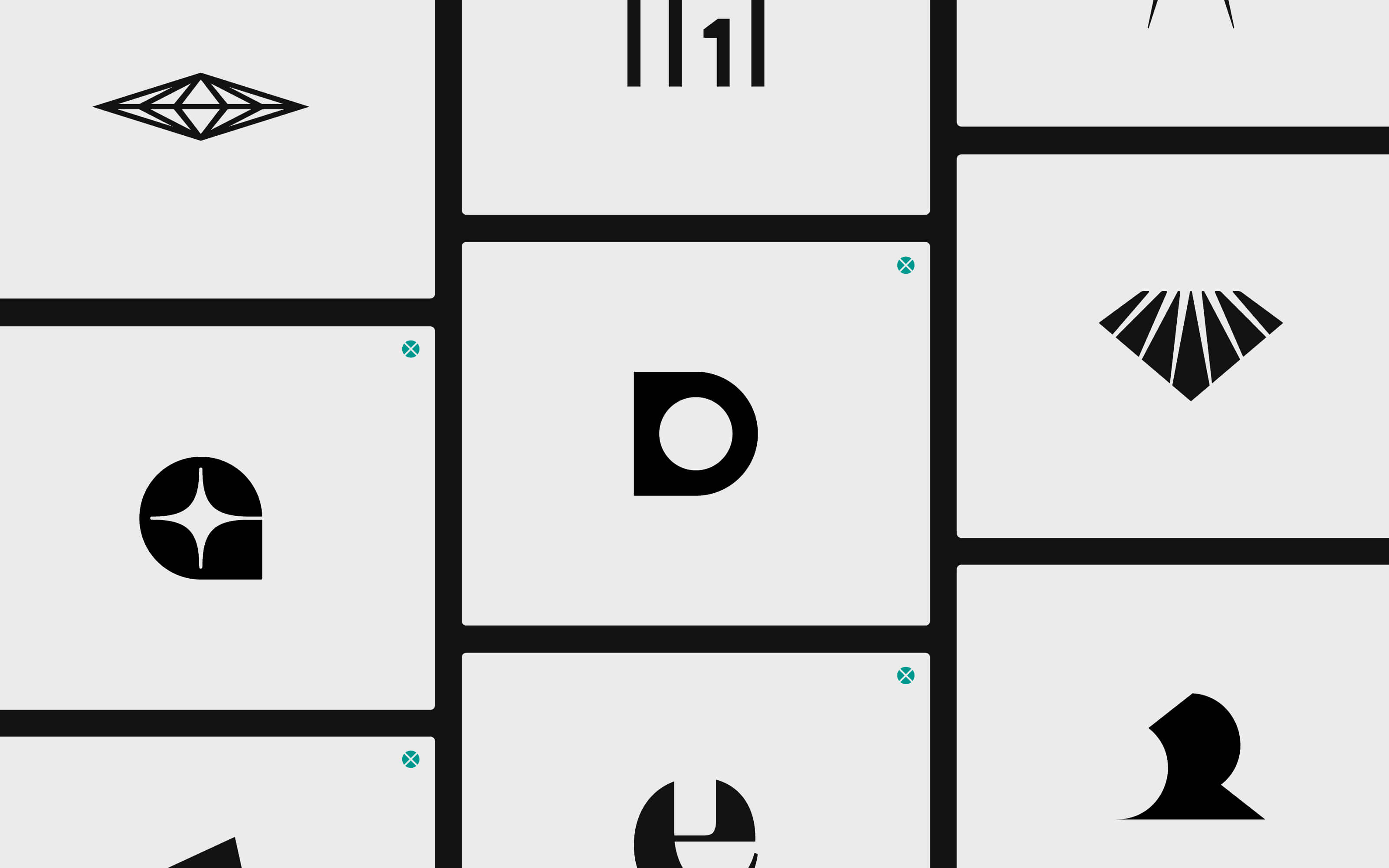
Rejected Logo Designs We Still Love
Not all logo designs get accepted. Actually, most of them get rejected, and that’s ok. Here’s why we don’t throw ours away.
our newsletter
SUMO is one of the few newsletters I don’t archive when my inbox gets full. Each edition feels crafted with care - the links are genuinely interesting, the curation is thoughtful, and the newsletter design itself is a delight to consume.

Content curation at its finest. Doesn't overdo it on commentary, and has probably the highest signal-to-noise ratio among the design newsletters out there. Never a dull entry! Every issue feels handpicked rather than churned out.

Sublimio Monthly is always a breath of fresh air. I especially like how each issue explores one timely theme, turning Andrea and Matteo’s perspectives into a clear takeaway I can immediately apply to my work—often before the topic becomes mainstream.

You know that feeling as a kid, waiting for your favorite magazine to hit the stands? That's what SUMO is for me.

SUMO is much more than a newsletter: it's a guide. In a world of information overload, having someone who does real curation work is invaluable. What I find there is always worth my time. I read it eagerly every time, and I often share it with friends and colleagues because there's always something useful and genuinely interesting.

SUMO has a level of intentionality that sets it apart from most newsletters I read. Each edition is built around a theme that feels considered without being overworked, with Matteo and Andrea’s dual perspectives adding depth and a set of curated links that feel carefully chosen. It’s a newsletter worth reading properly.

SUMO has quickly become one of my favourite newsletters. Every issue leaves me with a fresh perspective on how I see my brand and the world around it.




© 2009—2026 Sublimio


