
 by Matteo Modica
4 MIN. READ
13.07.2024
by Matteo Modica
4 MIN. READ
by Matteo Modica
4 MIN. READ
13.07.2024
by Matteo Modica
4 MIN. READ

The use of color in brand premiumization is an art. Get the right hue and you might feel worth much more. But what is a premium color?
As discussed in our previous article on brand premiumization, this process allows a brand to elevate its market position and perceived value, and to command higher prices as a consequence.
Among the various elements involved, color plays a crucial role in brand premiumization as it directly influences consumer perception and emotional response. The right color can evoke feelings of luxury, exclusivity, and quality, making it an essential tool for brands aiming to position themselves in the premium segment.
For instance, luxury brands often utilize rich, deep hues like black, gold, and navy blue to convey sophistication and exclusivity, while premium consumer goods might use crisp, clean colors like white and silver to suggest purity and high quality.
By carefully selecting and consistently applying colors that align with the brand’s desired image, businesses can enhance their perceived value and justify higher pricing.
Premium colors and their evolution
Colors carry powerful psychological associations that marketers can leverage to convey a sense of premiumness. Historically, certain colors have been linked to luxury and high status.
For example, purple has long been associated with royalty and wealth due to its rarity and expense in ancient times.
Today, black and gold are commonly used in luxury branding to evoke elegance and opulence. However, the perception of color and its association with premiumness can change over time and across cultures. In recent years, some brands have shifted towards minimalist and understated color palettes to signal modern luxury.
For instance, the use of muted tones and monochromatic schemes has become increasingly popular among high-end brands, as it suggests a contemporary, sophisticated aesthetic.
Additionally, the growing awareness of sustainability has led some premium brands to adopt earthy, natural colors to align with eco-friendly values, thus redefining what constitutes ‘premium’ in the eyes of modern consumers.
For example, the color green has evolved from being simply associated with nature to also representing eco-friendly and sustainable luxury.
Similarly, technological advancements and changing consumer preferences have influenced the adoption of colors like sleek metallics and soft pastels in luxury branding, reflecting a blend of innovation and elegance.
Real-Life Examples of the Use of Color in Brand Premiumization
When looking at successful cases of brand premiumization, a different color palette is usually one of the more evident parts of the revamped identity.
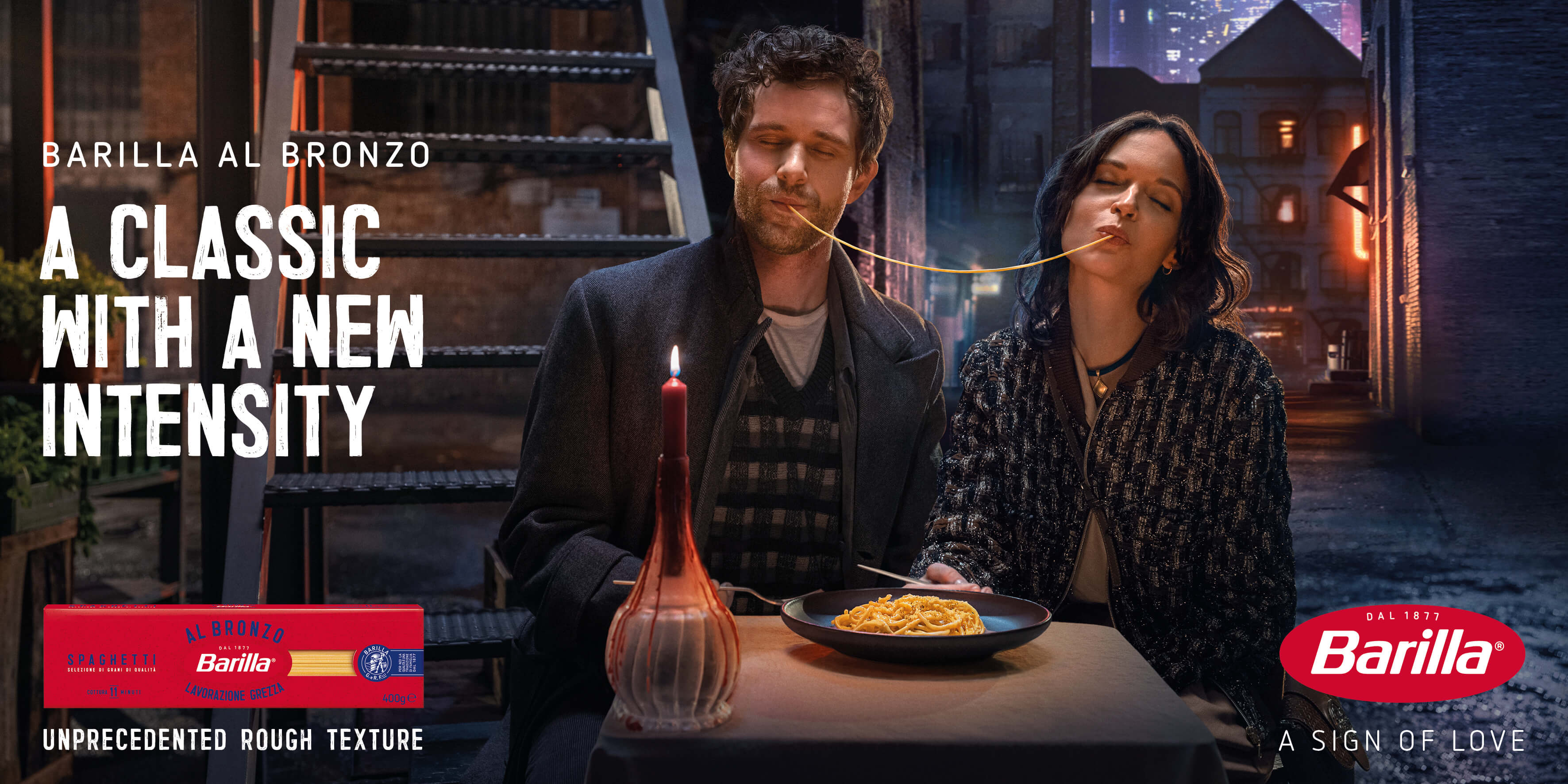
Take Barilla, for example. The historical Italian pasta brand, a staple of every pantry in the country, has recently decided to take on the artisanal premium-looking challengers in the market with its “Al Bronzo” line (bronze-drawn).
For this extension, it couldn’t use its traditional palette of bright red and blue, but needed something more sophisticated. Hence a deeper red and a deeper blue, used in an inverse combination with respect to the original brand (red became the primary color, blue secondary). While still recognizably Barilla, the “Al Bronzo” line clearly conveys the idea of a premium product.
You can also see how large the role of color in brand premiumization by looking at Carlsberg Export, a premium line from the renowned Danish brewery.
Rather than sticking to the brand’s green and white palette, CarlsbergExport is identified by a rich golden, malty hue, a color that manages to feel at the same time very premium and very descriptive of the quality of the product, which is advertised as having a deeper malty taste.
Pros and Cons of Changing Colors and Best Practices
While changing a brand’s color palette can be a powerful strategy for premiumization, it also carries risks and challenges. One major advantage is the potential to refresh the brand’s image and attract a new customer base.
A well-chosen color scheme can differentiate the brand from competitors and resonate with target audiences, thereby driving brand loyalty and higher sales.
However, changing colors also entails risks, such as alienating existing customers who have strong associations with the original colors. It requires careful consideration of the brand’s history and consumer perceptions.
To mitigate these risks, brands should conduct extensive market research and consider gradual transitions rather than abrupt changes. Testing new colors in a limited market or through special editions can provide valuable insights before a full rollout.
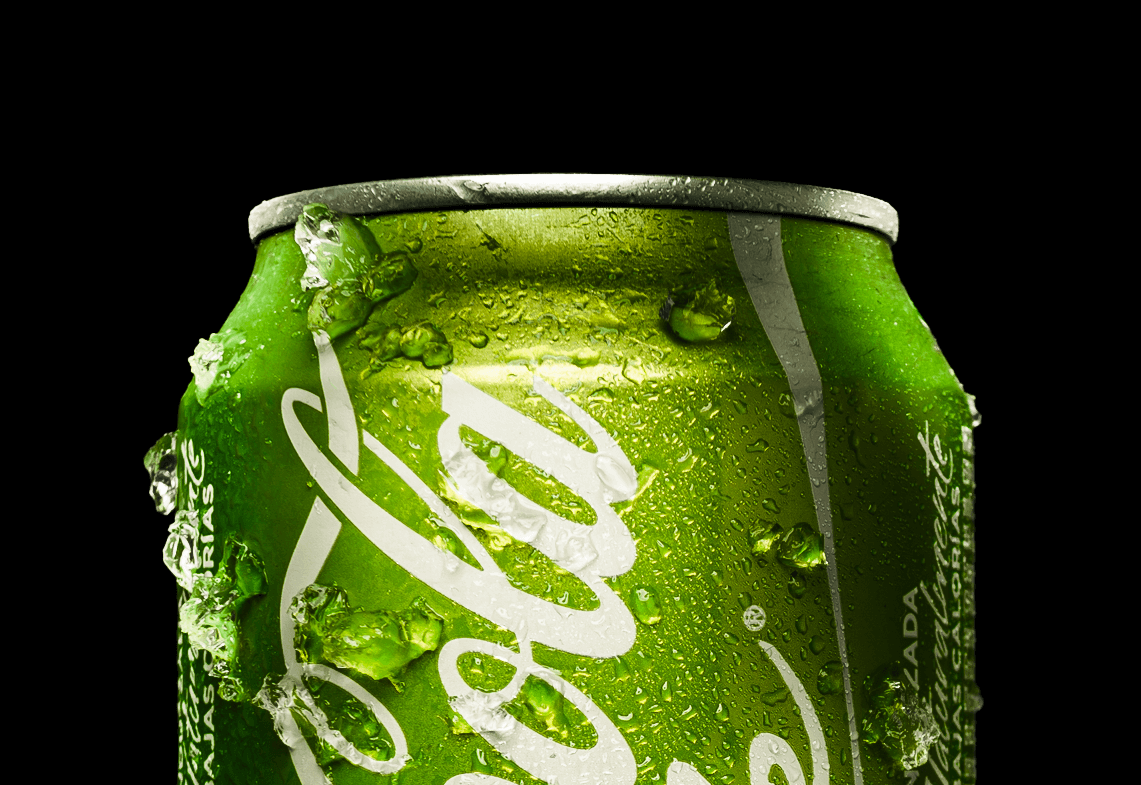
For instance, Coca-Cola carefully tested new premium packaging designs for its Coke Life product in selected markets before a broader launch, ensuring that the changes resonated with consumers and aligned with the brand’s overall image. This careful, phased approach allowed Coca-Cola to manage the risks associated with changing an established brand’s color scheme.
It’s also crucial, when launching a new product line, to ensure that new colors will fit with the existing ones in harmony.
Shelf presence should feel carefully coordinated, like a brand is hitting more notes, rather than playing disparate notes on disparate instruments.
READ MORE ON

The comma nobody sees: why attention to detail in branding still matters
Nobody notices when I change the color of a comma, and that’s exactly why I keep doing it. A case for perfectionism and attention to detail in branding.

Before you hire a branding agency, ask to see the drafts
A while ago, at Sublimio we started sharing with potential clients not just our portfolio, but our past presentation. Here’s why.

Can AI do your brand strategy?
AI can craft a pretty believable brand strategy, but will it hold? Here are some things to know before you forward it to the team.

Rejected Logo Designs We Still Love
Not all logo designs get accepted. Actually, most of them get rejected, and that’s ok. Here’s why we don’t throw ours away.
our newsletter
SUMO is one of the few newsletters I don’t archive when my inbox gets full. Each edition feels crafted with care - the links are genuinely interesting, the curation is thoughtful, and the newsletter design itself is a delight to consume.

Content curation at its finest. Doesn't overdo it on commentary, and has probably the highest signal-to-noise ratio among the design newsletters out there. Never a dull entry! Every issue feels handpicked rather than churned out.

Sublimio Monthly is always a breath of fresh air. I especially like how each issue explores one timely theme, turning Andrea and Matteo’s perspectives into a clear takeaway I can immediately apply to my work—often before the topic becomes mainstream.

You know that feeling as a kid, waiting for your favorite magazine to hit the stands? That's what SUMO is for me.

SUMO is much more than a newsletter: it's a guide. In a world of information overload, having someone who does real curation work is invaluable. What I find there is always worth my time. I read it eagerly every time, and I often share it with friends and colleagues because there's always something useful and genuinely interesting.

SUMO has a level of intentionality that sets it apart from most newsletters I read. Each edition is built around a theme that feels considered without being overworked, with Matteo and Andrea’s dual perspectives adding depth and a set of curated links that feel carefully chosen. It’s a newsletter worth reading properly.

SUMO has quickly become one of my favourite newsletters. Every issue leaves me with a fresh perspective on how I see my brand and the world around it.




© 2009—2026 Sublimio


