
 by Matteo Modica
2 MIN. READ
10.10.2018
by Matteo Modica
2 MIN. READ
by Matteo Modica
2 MIN. READ
10.10.2018
by Matteo Modica
2 MIN. READ

I know many professionals – in many cases even friends – who stiffen up when they hear about personal branding.
Their position is, in short, that branding themselves is a form of deep insincerity, and that they would feel they are betraying the trust of their contacts the moment they start to see themselves as a brand.
I partly understand them and appreciate their sincerity. Communication is after all a rational and meditated process, certainly not spontaneous. It doesn’t belong in our everyday life. And yet, all these people are already doing personal branding. In fact, we all do it, constantly. We just don’t realize it.

With every word, every choice, every symbol, and every gesture, we build an image of ourselves with others. In the case of freelancers, and anyone who has to “spend” themselves, this image can make a big difference in terms of work results.
Paradoxically, however, when we let personal branding happen in a “spontaneous”, therefore uncontrolled way, we transmit a distorted and inaccurate image of ourselves, because we send conflicting and therefore confused signals.

Conscious personal branding means taking back control of this communication, focusing on who we really are, and ensuring that this identity reaches all our contacts loud and clear.
To do this we must first learn to see ourselves from the outside. Then we have to understand what the touchpoints are, that is the occasions when others form an image of us: from the signature of an email to what we write on WhatsApp, from the image we have on LinkedIn to the shoes we go to the presentation with.
Everything is potentially branded, and many are amazed to discover that you don’t necessarily start with a logo.
READ MORE ON
The comma nobody sees: why attention to detail in branding still matters
Nobody notices when I change the color of a comma, and that’s exactly why I keep doing it. A case for perfectionism and attention to detail in branding.

Before you hire a branding agency, ask to see the drafts
A while ago, at Sublimio we started sharing with potential clients not just our portfolio, but our past presentation. Here’s why.
Can AI do your brand strategy?
AI can craft a pretty believable brand strategy, but will it hold? Here are some things to know before you forward it to the team.
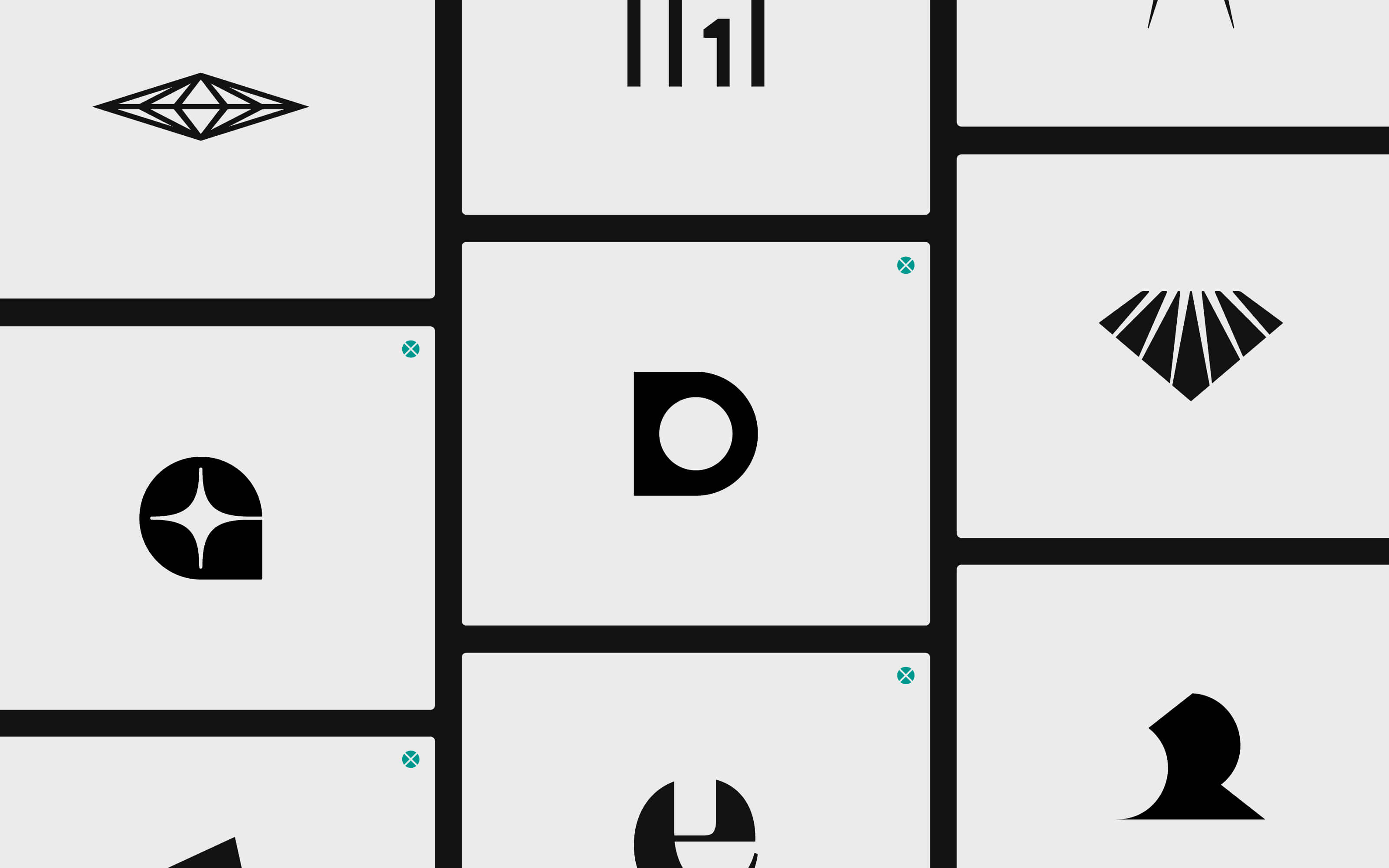
Rejected Logo Designs We Still Love
Not all logo designs get accepted. Actually, most of them get rejected, and that’s ok. Here’s why we don’t throw ours away.
our newsletter
SUMO is one of the few newsletters I don’t archive when my inbox gets full. Each edition feels crafted with care - the links are genuinely interesting, the curation is thoughtful, and the newsletter design itself is a delight to consume.

Content curation at its finest. Doesn't overdo it on commentary, and has probably the highest signal-to-noise ratio among the design newsletters out there. Never a dull entry! Every issue feels handpicked rather than churned out.

Sublimio Monthly is always a breath of fresh air. I especially like how each issue explores one timely theme, turning Andrea and Matteo’s perspectives into a clear takeaway I can immediately apply to my work—often before the topic becomes mainstream.

You know that feeling as a kid, waiting for your favorite magazine to hit the stands? That's what SUMO is for me.

SUMO is much more than a newsletter: it's a guide. In a world of information overload, having someone who does real curation work is invaluable. What I find there is always worth my time. I read it eagerly every time, and I often share it with friends and colleagues because there's always something useful and genuinely interesting.

SUMO has a level of intentionality that sets it apart from most newsletters I read. Each edition is built around a theme that feels considered without being overworked, with Matteo and Andrea’s dual perspectives adding depth and a set of curated links that feel carefully chosen. It’s a newsletter worth reading properly.

SUMO has quickly become one of my favourite newsletters. Every issue leaves me with a fresh perspective on how I see my brand and the world around it.




© 2009—2026 Sublimio


