
 by Matteo Modica
3 MIN. READ
14.01.2026
by Matteo Modica
3 MIN. READ
by Matteo Modica
3 MIN. READ
14.01.2026
by Matteo Modica
3 MIN. READ

Websites don’t serve the same function that they did ten years ago. However, you can still make website design interesting if you start from feelings.
—
This is the ninth article in a series describing Sublimio’s approach to branding projects. In case you haven’t read the previous one about verbal identity, you can find it here.
—
Are websites dead? We often hear it, and it’s true to an extent. The website as a container of information about your business is hardly relevant today, as users can find that info elsewhere.
As a consequence, website design can not afford to be boring anymore. Either your website is a full-fledged brand experience, or it’s a wasted opportunity. At least, that’s what we have always thought at Sublimio.
You could say that websites are experiencing the same fate of brick-and-mortar stores, that are becoming less necessary from a functional standpoint but more important than ever from an emotional one.
So, how do we approach website design for this outcome?
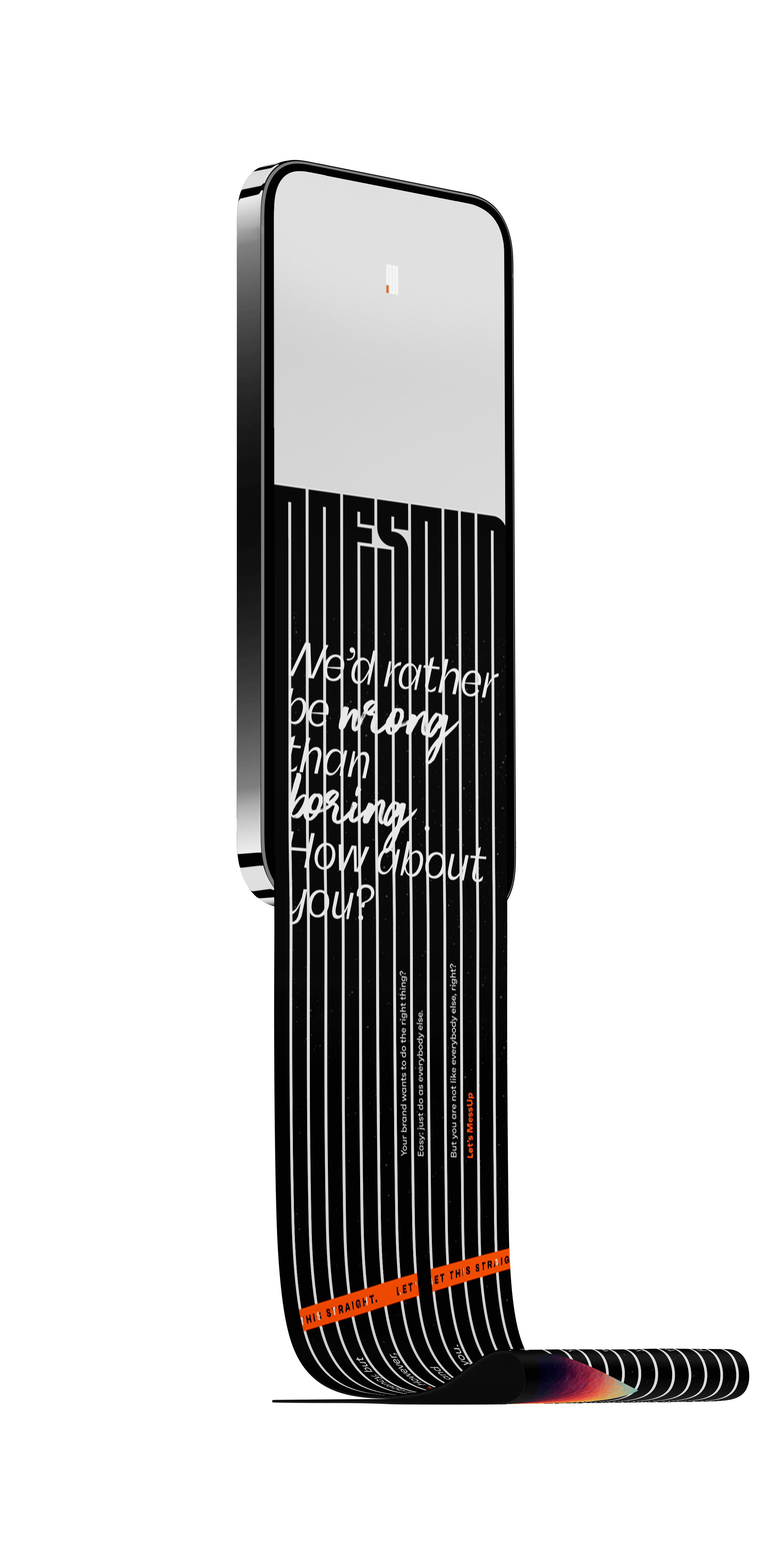
Website design that challenges best practices
Some websites are purely functional, and rightly so. But your brand’s website is not. Which means that you should be wary of best practices.
While they are useful, they are also a shared playbook, with the result to make everything, inevitably, look more or less the same (not unlike cars today). Preoccupied with freeing the user from any possible friction, you could give them a digital experience that is instantly forgotten.
To avoid being average takes some bravery. Which means looking critically at the best practices everyone is following and deciding which ones to strategically break.
This isn’t about making things complicated for the sake of it, but about making deliberate choices that set your work apart and make it truly memorable. True distinction comes from challenging the status quo, not conforming to it.
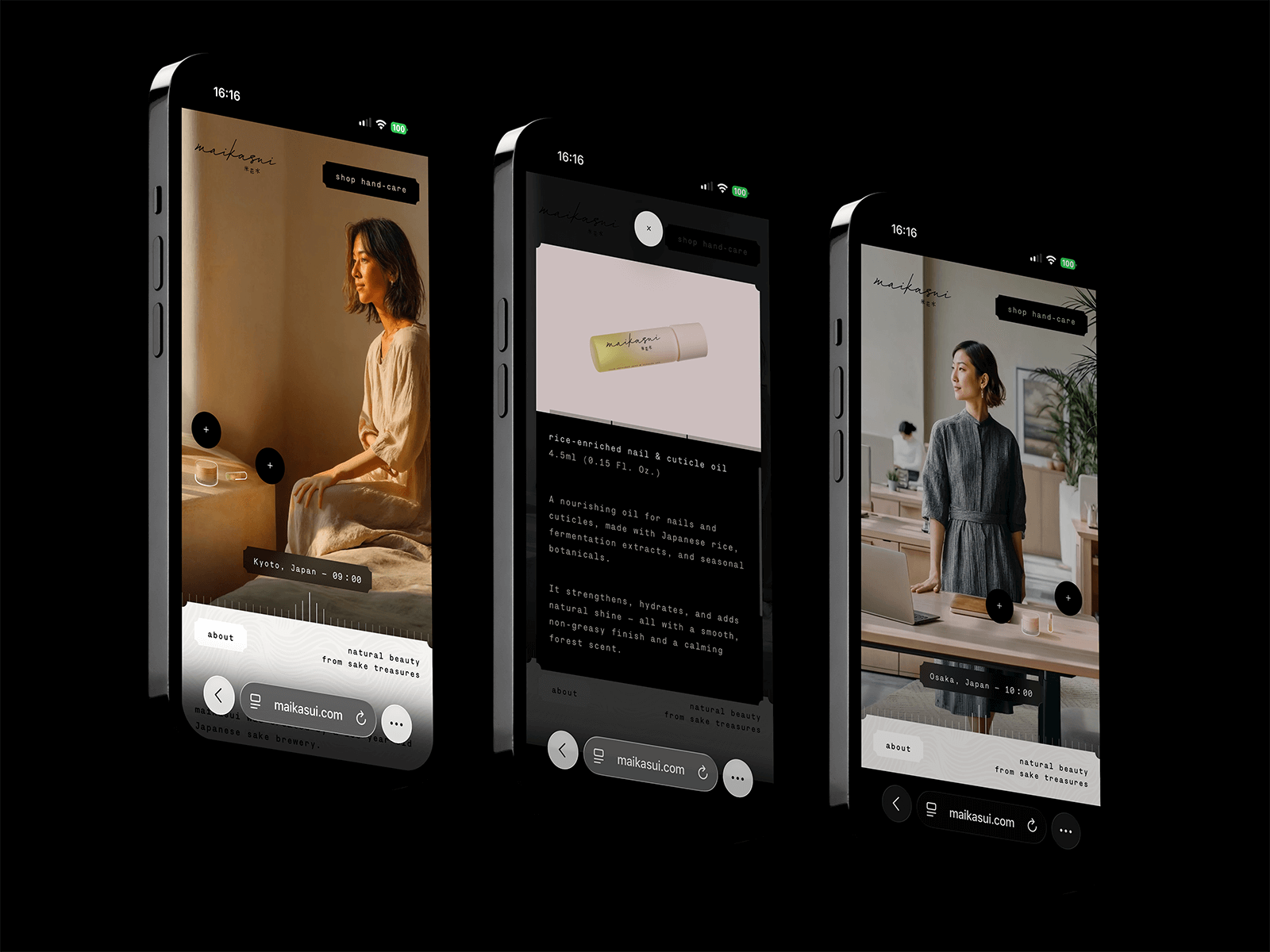
When developing our latest website for Japanese handcare brand maikasui, for example, we could have made the product front and center with a proper hero shot. We could have made information readily accessible and “in your face”.
But that’s not the story we tell about the brand. It’s a gentle brand, discreet enough to fit into every moment of a woman’s day. So we created instead a digital experience that lets users “visit” different moments in the day of a Japanese woman.
The product is there, of course, but you have to look for it, because the person is what matters most and the product is there in service of the person. The experience is quiet, poetic, intimate. Just the way the brand should feel.
If we had treated the maikasui website as any other loud product site it would have respected some best practices but at the same time it would have felt really off.
Balancing creativity and function in website design: it’s a fine line
You could think we are crazy but I can assure you we are not.
Visit any of the websites we have created and you’ll see how function is actually woven into the brand experience. In other words, you have to know what’s needed when. Take our website for The Missing Element, for example, created together with our friends at MessUp.
While the website is all about the vibes, and designed to inspire an idea of freedom and endless spaces, it also serves some functional needs: it must allow users to book a stay or to rent a boat.
You don’t get to add friction here, as it would just harm the business. Which is why the UX must be orchestrated in moments: there is a time for awe (or fun, or visual pleasure) and a time for doing things.
This is the balancing act we look for: ensuring the creative vision elevates the brand experience without ever compromising the core business objective.
A website that is just beautiful or just functional is a missed opportunity. One that catches your attention – and holds it – is a powerful tool.
READ MORE ON

Before you hire a branding agency, ask to see the drafts
A while ago, at Sublimio we started sharing with potential clients not just our portfolio, but our past presentation. Here’s why.
Can AI do your brand strategy?
AI can craft a pretty believable brand strategy, but will it hold? Here are some things to know before you forward it to the team.
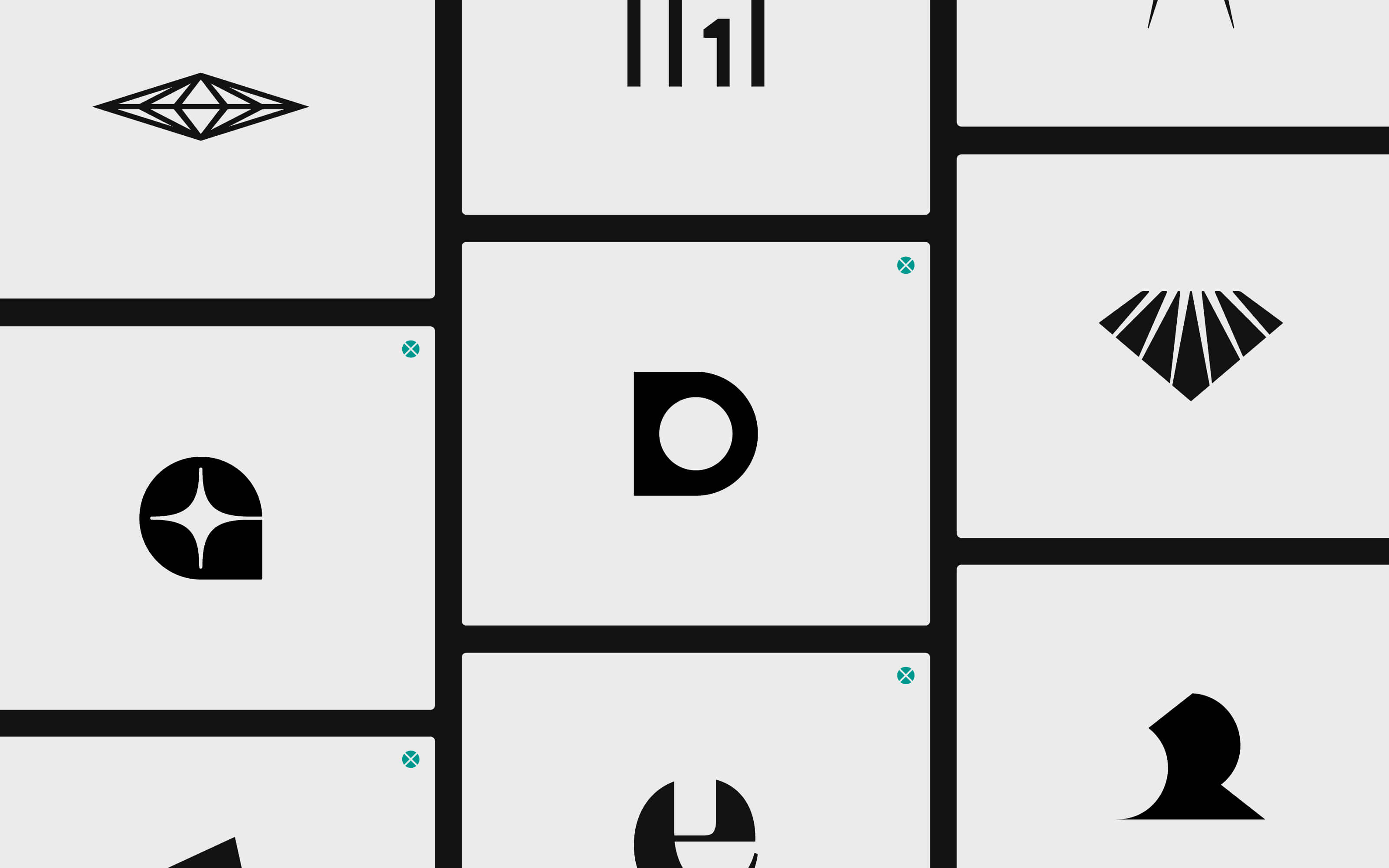
Rejected Logo Designs We Still Love
Not all logo designs get accepted. Actually, most of them get rejected, and that’s ok. Here’s why we don’t throw ours away.

Do you have a brand architecture? Here’s why you should
If you find the term “brand architecture” intimidating, you might want to do this. Because the right one makes all the difference for your business.
our newsletter
SUMO is one of the few newsletters I don’t archive when my inbox gets full. Each edition feels crafted with care - the links are genuinely interesting, the curation is thoughtful, and the newsletter design itself is a delight to consume.

Content curation at its finest. Doesn't overdo it on commentary, and has probably the highest signal-to-noise ratio among the design newsletters out there. Never a dull entry! Every issue feels handpicked rather than churned out.

Sublimio Monthly is always a breath of fresh air. I especially like how each issue explores one timely theme, turning Andrea and Matteo’s perspectives into a clear takeaway I can immediately apply to my work—often before the topic becomes mainstream.

You know that feeling as a kid, waiting for your favorite magazine to hit the stands? That's what SUMO is for me.

SUMO is much more than a newsletter: it's a guide. In a world of information overload, having someone who does real curation work is invaluable. What I find there is always worth my time. I read it eagerly every time, and I often share it with friends and colleagues because there's always something useful and genuinely interesting.

SUMO has a level of intentionality that sets it apart from most newsletters I read. Each edition is built around a theme that feels considered without being overworked, with Matteo and Andrea’s dual perspectives adding depth and a set of curated links that feel carefully chosen. It’s a newsletter worth reading properly.

SUMO has quickly become one of my favourite newsletters. Every issue leaves me with a fresh perspective on how I see my brand and the world around it.




© 2009—2026 Sublimio


